A cracked windshield reduces visibility and weakens the vehicle’s structure, increasing the risk of accidents—especially in poor weather or at night. Below we explain damage types, repair versus replacement options, safety guidelines, warning signs, legal implications, and how prompt service can prevent further issues. This information helps drivers make informed, regulation-compliant decisions about vehicle safety.
Key Takeaways
- Driving with a cracked windshield reduces visibility and increases accident risk, especially in poor weather or at night.
- Windshield damage types include chips, cracks, and edge damage, each affecting safety differently.
- Small chips can often be repaired quickly, while large or edge cracks usually require full windshield replacement.
- Certified technicians ensure repairs meet safety standards and maintain the windshield’s structural integrity.
- Local laws regulate acceptable windshield conditions, and driving with severe damage can lead to legal penalties.
- Immediate attention is needed for cracks larger than a quarter, spreading cracks, or visibility distortions.
- Insurance often covers repair costs, making timely windshield service more affordable and accessible.
- A damaged windshield compromises crash safety by weakening the vehicle’s structural protection for occupants.
- Maintaining windshield condition supports compliance, safety, and reduces the risk of further damage or accidents.
Types of Damage
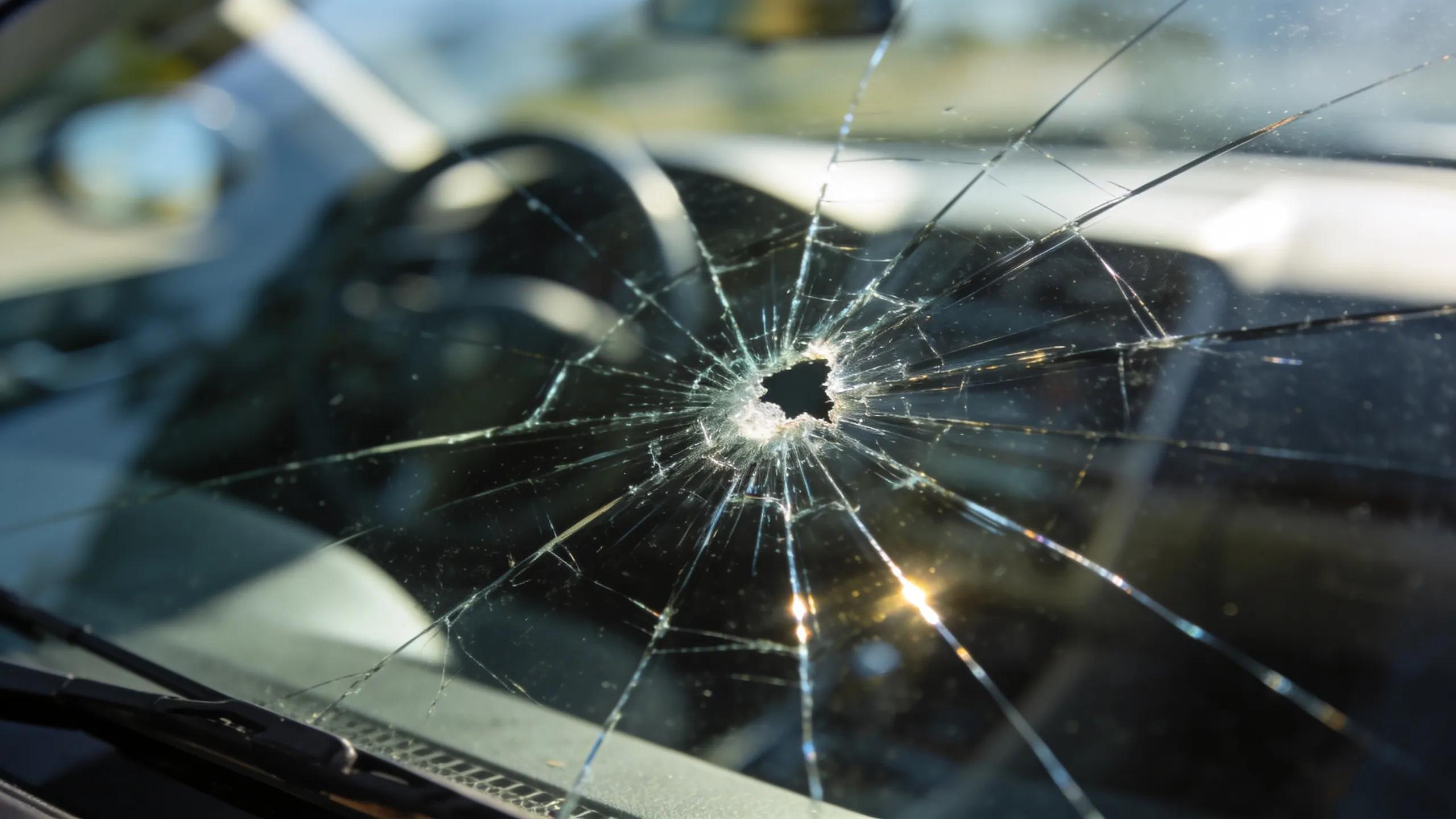
Windshields sustain chips, cracks, and edge damage—each affecting strength and occupant protection differently. Chips are small impacts from debris and are often superficial. Cracks result from temperature changes or structural stress and can spread if left untreated. Edge damage near the frame is particularly serious because it undermines the windshield’s structural role in a collision.
How Do Chips, Cracks, and Edge Damage Differ in Impact?
Small chips may be manageable short-term but can expand into dangerous cracks. Cracks that cross the driver’s sightline require prompt repair or replacement. Edge damage threatens the windshield’s bond to the vehicle structure, increasing risk to the frame and occupants during a crash.
Repair Options
Deciding between repair and replacement depends on damage size and location. Small chips or short cracks can usually be repaired cost-effectively in about 30 minutes. Extensive, edge, or structurally compromising damage generally requires full replacement to restore safety.
| Service | Description | Price |
|---|---|---|
| Windshield Chip Repair | Repairs small chips in the glass | $75 |
| Windshield Crack Repair | Fixes small to medium cracks | $100 |
| OEM Windshield Replacement | Factory replacement for severe damage | $300 – $1,000 |
Insurance often covers repair costs, reducing out-of-pocket expenses and encouraging timely service. This can be particularly helpful when damage would otherwise require a full replacement.
How Does Blue Ribbon Auto Glass Ensure Expertise and Quality in Repairs?
Blue Ribbon Auto Glass provides repair and replacement services that comply with safety standards. Certified technicians complete rigorous training to address common damage types efficiently. Repairs follow industry guidelines to preserve structural integrity and driver safety. They pride themselves on their expertise and dedication to customer satisfaction.
Auto Glass Safety Guidelines
Follow established windshield-care guidelines to maintain safe driving. Keep glass clean to reduce glare and distractions. Know local laws on windshield condition, since some damage may be illegal to drive with.
What Factors Determine Eligibility for Windshield Chip or Crack Repair?
Repair eligibility depends on damage size and placement. Typically, chips under a quarter in diameter or cracks up to three inches qualify for repair. Damage in the driver’s sightline or near the edges often requires replacement to meet safety standards.
Warning Signs That Require Immediate Attention
Some signs require immediate inspection. Watch for these warning indicators:
- Cracks larger than a quarter: Large cracks quickly compromise the windshield’s structural integrity.
- Spreading cracks: If cracks are visibly expanding, prompt repair is required to prevent further damage.
- Visibility distortion: Any impairment in the driver’s line of sight must be addressed immediately to ensure safe driving conditions.
What are the Warning Signs That Your Windshield Needs Immediate Attention?
If you observe any of these signs, arrange a professional inspection promptly. Driving with compromised visibility puts both you and others at greater risk.
Legal Considerations
Know the legal implications of driving with damaged glass to remain compliant and safe. Many states, including Florida, set standards for acceptable windshield condition. Operating a vehicle with significant damage can result in fines or other enforcement actions.
How Can Blue Ribbon Assist With Insurance Claims in Sarasota and Manatee Counties?
Blue Ribbon Auto Glass helps customers navigate insurance claims for repair or replacement. Their team supports the paperwork to help secure entitled coverage and streamline the repair process. For claims assistance or to book service, you can easily contact them directly.
How Does a Cracked Windshield Impact Driving Safety and Crash Risk?
A cracked windshield reduces structural strength and can increase injury risk in a collision. Prompt repair or replacement helps maintain crash protection for vehicle occupants.
How Does Insurance Coverage Affect Windshield Repair and Replacement?
Insurance coverage often determines whether drivers choose repair or replacement. Many policies cover repairs with minimal out-of-pocket cost, making timely fixes practical. Replacements typically carry higher costs, which factors into the decision.
Frequently Asked Questions
What are the potential legal consequences of driving with a cracked windshield?
Driving with a cracked windshield can lead to fines or orders to repair, since law enforcement may cite unsafe vehicle conditions. To avoid penalties, follow local regulations on windshield integrity and correct significant damage promptly.
How long does it take to repair a cracked windshield?
Repair time varies with severity. Small chips often take about 30 minutes. Larger cracks or full replacements require more time; replacements can take several hours to remove the old glass and install the new one. Consult your service provider for a precise estimate.
Can I drive my vehicle right after getting the windshield repaired?
You can usually drive after a repair, but follow technician instructions. Avoid washing the vehicle or exposing the glass to extreme temperatures for about 24 hours while adhesives cure. Confirm any specific precautions with your technician.
Can weather conditions affect the severity of windshield damage?
Yes. Large temperature swings can cause existing cracks to expand. Heavy rain or snow can stress seals and reveal damage. Inspect the windshield after severe weather and address changes promptly.
How can I prevent chips and cracks in my windshield?
Reduce risk by keeping distance from vehicles that may kick up debris, avoiding sudden temperature changes, and inspecting the glass regularly. Address small chips promptly to prevent them from developing into larger cracks.
What should I do if my windshield gets a chip or crack?
Act quickly: assess size and location to determine repair eligibility. For small chips, schedule a professional repair promptly. Large cracks or damage that blocks your sightline will likely need replacement. Prioritize inspection to protect your safety.
Promptly addressing windshield damage maintains legal compliance and protects occupants. Seek professional attention for significant damage. Regular maintenance and timely repairs preserve safety and reduce the risk of further harm on the road.