Some windshield damage is genuinely unavoidable. A rock kicked up by a truck on the interstate at 70 miles per hour is not something you can plan around. But a lot of chip damage is preventable, and knowing what to do, and what not to do, can significantly extend the life of your windshield and your wiper blades.
Here is a practical guide for Florida drivers on preventing windshield chips and getting the most out of your glass.
Keep a Safe Following Distance, Especially Behind Trucks
The single most effective thing you can do to reduce your chip risk is to maintain a generous following distance behind trucks and large vehicles. A loaded flatbed, a dump truck, or even a pickup hauling gravel can kick up debris at a rate that makes chip damage almost inevitable at close range.
On Florida highways like I-75 and US-41, where truck traffic is heavy and construction zones are common, a following distance of at least four to five car lengths behind large trucks is worth the extra few seconds it adds to your drive.
Avoid Driving Through Construction Zones at High Speed
Construction zones are one of the most reliable sources of windshield chips in Sarasota and Manatee Counties. Loose gravel, freshly broken asphalt, and heavy equipment all contribute to a debris environment that is especially hard on glass.
When you are approaching a construction zone, slow down earlier than the posted speed reduction requires. The slower you are moving when debris hits, the less force is behind the impact. A chip at 30 miles per hour is significantly less likely to spread than the same chip at 65.
Stay Out of the Right Lane on Heavily Used Roads
The right lane on Florida highways accumulates more road debris than center or left lanes. Trucks typically travel in the right lane, and debris from the shoulder gets kicked up into that lane consistently. On long highway stretches, staying in a center lane when traffic allows reduces your exposure to the highest-debris-density lane.
This is especially relevant on I-75 between Sarasota and the areas north of the Manatee County line, where heavy commercial truck traffic is common throughout the day.
Clean Lovebugs Off Promptly
Lovebug season in Sarasota runs twice a year: mid-April through May and late August through September. The residue from lovebugs is mildly acidic and, if left on your windshield in the Florida heat for more than a few days, can begin to etch the glass surface and degrade the wiper blade rubber.
Clean lovebug residue with a soft wet cloth or a bug-specific spray. Never dry-wipe it. The exoskeleton fragments can scratch the glass surface the same way sandpaper would.
Replace Wiper Blades on Schedule
Wiper blades in Florida typically need replacing every six to twelve months, depending on UV exposure and how often they are used. Worn blades cause two problems: reduced visibility in rain, and microscopic scratching on the glass surface as the degraded rubber drags across it.
If your wipers are leaving streaks, squeaking, or skipping sections of the windshield, replace them. The cost of a new set of blades is trivial compared to the long-term glass damage that worn blades can cause.
Address Chips Immediately
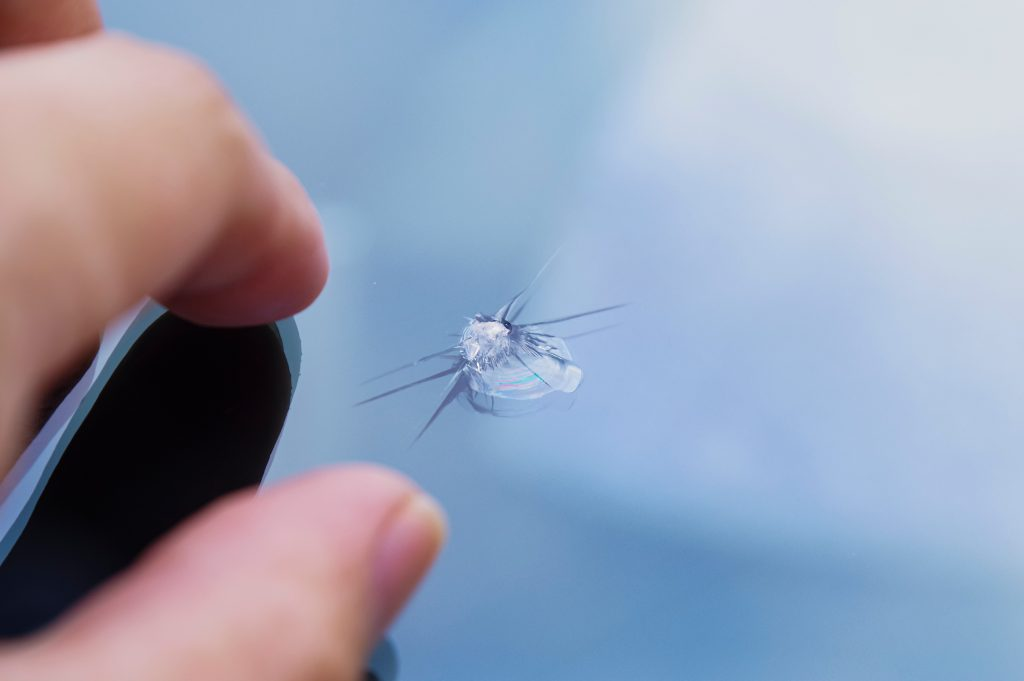
This one is simple: a chip that gets repaired within the first few days is almost always fixable. A chip that sits for weeks in Florida heat and rain is significantly more likely to have spread into a crack that requires full replacement.
Under Florida’s no-deductible windshield law, chip repairs are covered at no cost to most drivers with comprehensive insurance. There is no financial reason to wait. Call us, we verify your coverage, and we come to you.
Park in the Shade When Possible
Thermal stress from extreme heat is one of the leading causes of chip spreading. A windshield that bakes in direct Florida sun all day and then gets hit with air conditioning when you start the car experiences rapid temperature changes that put stress on any existing weak points in the glass.
Parking in covered or shaded areas when available reduces this thermal cycling and extends the life of your windshield significantly. It also protects your wiper blades from UV degradation.
Already have a chip? Request a free quote from Blue Ribbon Auto Glass. We come to you, verify your insurance, and handle the repair or replacement. Most Florida drivers pay nothing.