Florida does not get true winter weather, but we do get sudden temperature swings, cold fronts, and big jumps between cool mornings and warm afternoons. These changes can put unexpected stress on your windshield, especially if you already have a chip or minor crack. Even slight temperature changes can cause the glass to expand and contract. Over time, this added pressure can turn a tiny chip into a long crack that spreads quickly across the windshield.
Here is what Florida drivers should know about cool weather and how to protect their auto glass during the winter months.
The Truth About “Cold Fronts” in Florida
A Florida cold front usually means morning temperatures in the 50s and 60s, followed by warm afternoons. While mild to us, this shift can still affect your windshield.
Temperature changes can:
- Increase stress on existing chips
- Cause small cracks to lengthen
- Put pressure on the edges of the glass
- Lead to sudden spreading when driving at highway speeds
Glass expands when it is warm and contracts when it cools. When this cycle repeats often, any weak point becomes a risk.
Humidity and Moisture Can Make Damage Worse
Florida air is humid even in winter, and moisture can settle inside tiny chips or cracks overnight. As temperatures drop, the moisture can slightly expand and create internal pressure, making the damage spread.
You may notice the most growth in:
- Early morning hours
- Days after rain
- Shaded parking areas
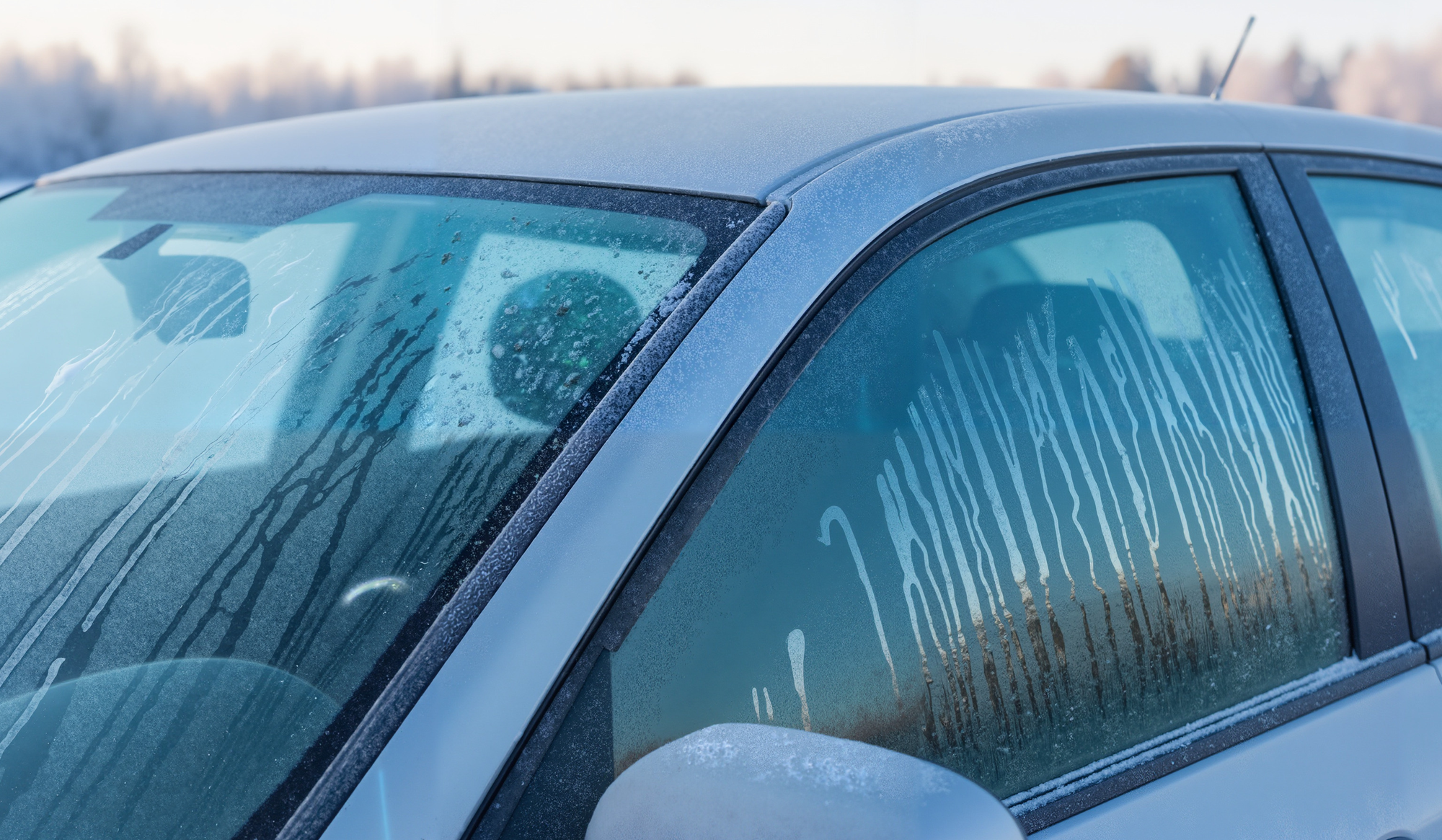
- Times when frost or fog forms on the windshield
This is why winter is a common season for chips to worsen.
Defrosting Can Stress Your Windshield
Turning on your defrost at full heat can create a noticeable temperature difference between the inside and outside of the glass. If your windshield already has a chip, the sudden warm airflow can increase the chances of cracking.
Tip for Florida mornings:
- Start with low heat
- Gradually increase airflow
- Never shock the glass with sudden hot air
A gentle warm-up protects both the glass and its seals.
Driving at Highway Speeds Can Increase Crack Spread
Cooler glass is more brittle. When you first get on the highway in the morning, the rush of air across the windshield can create pressure changes that make small chips spread quickly. If the damage sits near the edge of the glass, it is even more likely to grow. Drivers often say, “It cracked out of nowhere.” In reality, temperature and speed are usually the cause.
How to Protect Your Windshield This Winter
A few simple habits can help keep your glass in good condition when temperatures dip.
- Check for new chips every week
- Park in the garage or under cover when possible
- Warm your windshield slowly
- Avoid blasting AC onto cold glass
- Schedule a repair quickly if you notice damage
Fixing a chip early keeps it from spreading and helps you avoid a full replacement.
What to Do If Your Windshield Cracks
If the damage is larger than a quarter or affects your view, your windshield will likely need to be replaced. Florida drivers with comprehensive insurance often qualify for replacement at no cost.
At Blue Ribbon Auto Glass, we help you:
- Confirm your coverage
- File your insurance claim
- Schedule mobile service
- Replace your glass with manufacturer-approved materials
We make the process simple so you can get back on the road safely.
Stay Safe Through Florida’s Winter Season
Florida winters may be mild, but the temperature swings can still affect your windshield. Paying attention to small chips and practicing a few simple habits can help you avoid unexpected cracks.
If you notice damage, reach out any time. Our team at Blue Ribbon Auto Glass is here to help with quick repairs, full replacements, and mobile service throughout the area.