Windshield integrity directly affects visibility and vehicle structure. When damage exceeds safe repair limits, replacement becomes necessary. This guide explains the replacement process, cost factors, and the value of certified service. It covers signs that indicate replacement, a step‑by‑step overview, insurance considerations, and the benefits of experienced providers like Blue Ribbon Auto Glass Inc.
Key Takeaways
- Windshield replacement is essential for vehicle safety, structural integrity, and legal compliance.
- Costs vary by vehicle type, glass quality, labor, and local insurance policies like Florida’s zero deductible law.
- The replacement process includes damage assessment, insurance claim filing, scheduling, installation, recalibration, and final inspection.
- Certified technicians ensure safe, high-quality installations using OEM glass that meets manufacturer standards.
- Signs for replacement include large chips, extensive cracks, and visibility obstruction beyond repair capabilities.
- Mobile windshield replacement services offer convenience without compromising installation quality or safety standards.
- Post-installation care involves avoiding washing for 24 hours and protecting the adhesive from extreme temperatures.
- Warranties from professional services cover defects in workmanship and materials, providing additional protection.
Windshield Replacement Overview for Drivers
Replacement removes the damaged windshield and fits a new unit. The procedure restores structural support, protects occupants, and ensures the vehicle meets safety and regulatory requirements. Prompt replacement also prevents moisture intrusion and further deterioration that can increase risk.
Costs:
Replacement cost depends on vehicle make and model, the type of glass, and local labor rates. In Florida, insurance rules can reduce out-of-pocket expense: under the state’s zero-deductible provision, drivers with full glass coverage may avoid direct costs for windshield replacement.
Step-by-Step Replacement Process:
Knowing each stage clarifies expectations. Below is what you can expect during a typical windshield replacement.
- Assessment: Technicians perform a thorough assessment to determine whether repair or replacement is required. They inspect chips, cracks, and any visibility impairment to recommend the safest option.
- Claim Filing: Filing an insurance claim helps manage costs. Blue Ribbon Auto Glass Inc. assists with required documentation and guides customers through insurer requirements to help expedite claims.
- Scheduling: Scheduling is usually prompt and flexible. You can select a convenient appointment or request a mobile technician to perform the work at your location.
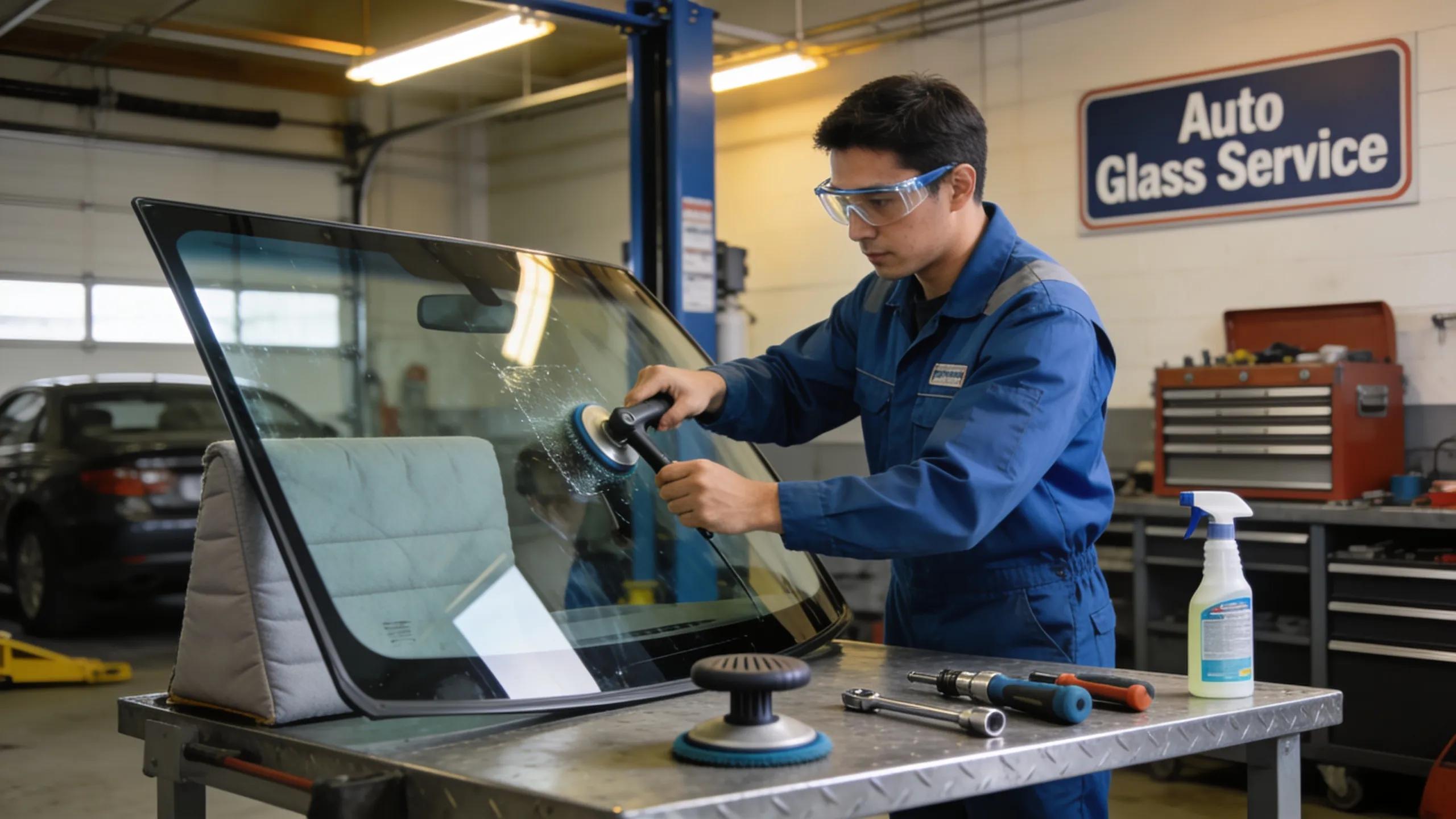
- Replacement: The technician removes the damaged windshield, prepares the frame, applies automotive-grade adhesive, and installs the new glass to ensure a secure, watertight seal.
- Recalibration (if necessary): Vehicles equipped with advanced driver-assistance systems (ADAS) may require sensor recalibration after installation. Proper recalibration restores the accuracy of safety systems.
- Final Inspection: Technicians complete a final inspection to verify the windshield is properly sealed, free of installation defects, and leak‑free before returning the vehicle.
Importance of Choosing Certified Service Providers:
Using a certified provider ensures installations follow industry protocols and meet manufacturer recommendations. Certified technicians help protect warranties and use OEM glass that conforms to vehicle specifications. To understand why we are a top choice, you can review our commitment to quality and service.
What Are the Signs You Need Windshield Replacement?
Recognizing damage early preserves safety. Key indicators that replacement may be necessary include visible cracks, large chips, and significant distortion that affects driving visibility.
How to Identify Common Windshield Damage Types
Look for chips, cracks, and deep scratches that obstruct your view. If a chip measures larger than a quarter, replacement is usually the safer option rather than repair.
When Is Repair Insufficient and Replacement Required?
Minor damage can often be repaired, but long cracks or severe distortion require replacement to restore safe visibility and structural integrity.
What Is the Step-by-Step Windshield Replacement Process?
The replacement follows standardized steps designed for safety and efficiency. For more details, see how we handle the process.
How Certified Technicians Ensure Safety and Quality
Certified technicians apply strict procedures and approved materials that comply with vehicle specifications to meet industry safety standards.
What Happens During Mobile and In-Shop Replacement Services?
Mobile teams perform on-site replacements at your location, while in-shop services occur in a controlled environment. Both follow the same safety and quality protocols.
How Much Does Windshield Replacement Cost and Does Insurance Cover It?
Replacement costs vary with vehicle type, glass quality, and labor. Insurance coverage depends on your policy and local regulations.
What Factors Influence Windshield Replacement Pricing?
Vehicle model, glass type (OEM versus aftermarket), and replacement complexity affect pricing. Regional labor rates also influence the final cost.
How to Navigate Insurance Claims for Windshield Replacement?
Claims are easier with professional support. Blue Ribbon Auto Glass Inc. assists customers through documentation and insurer processes to help secure eligible coverage. For questions, feel free to contact us.
Why Choose Certified Windshield Installers and OEM Glass?
Choosing certified installers gives confidence in installation quality and helps ensure compliance with safety and insurance requirements.
What Are the Safety and Quality Benefits of Certified Installers?
Certified installers follow established safety protocols to protect functionality and meet insurer and manufacturer expectations.
How Does OEM Glass Compare to Aftermarket Options?
OEM glass is manufactured to vehicle specifications for accurate fit and optical clarity. Aftermarket alternatives vary in quality and may not match OEM performance.
What Are Mobile Windshield Repair Services and Their Advantages?
Mobile repair services provide certified technicians and the required equipment at your location, offering convenience while maintaining installation standards.
How Does Mobile Service Work for Windshield Replacement?
A certified technician arrives on-site with tools and materials to perform the replacement safely and efficiently.
Are Mobile Repairs as Reliable as In-Shop Services?
When technicians are certified and use approved materials, mobile repairs are comparable to in-shop work and offer the added benefit of convenience.
How to Maintain and Care for Your Windshield After Replacement?
Proper post‑installation care helps preserve the windshield’s integrity and service life.
What Are Recommended Post-Installation Care Practices?
Wait at least 24 hours before washing the vehicle to allow the adhesive to cure. Also avoid extreme temperature fluctuations during the initial curing period.
How Do Replacement Warranties Protect You?
Professional warranties typically cover defects in workmanship and materials for a specified period, providing additional assurance.
Frequently Asked Questions
1. What should I do if my windshield cracks while driving?
If your windshield cracks while driving, remain calm and pull over safely. Assess the damage; if visibility is not impaired and the vehicle is safe, you may drive to a repair facility. If the crack is large or obstructs vision, contact a mobile technician or arrange a tow to transport the vehicle to a technician safely.
2. Can I replace my windshield myself, or should I hire a professional?
DIY replacement is not recommended. Certified technicians follow procedures that ensure proper sealing and preserve safety features. Improper installation can cause leaks or compromise systems such as airbags and ADAS. Hiring a certified installer protects safety and warranty coverage.
3. What are the common materials used in windshield replacements?
Replacements typically use OEM (Original Equipment Manufacturer) glass or quality aftermarket alternatives. OEM glass matches manufacturer specifications for fit and clarity; aftermarket options vary in quality. Choose materials that meet recognized safety standards.
4. How long does the windshield replacement process take?|
Typically the process takes about 1 to 2 hours, including assessment, removal, adhesive application, and fitting. Vehicles requiring ADAS recalibration may need additional time. Consult your service provider for a precise estimate.
5. Are there any safety features I should be aware of during replacement?
Yes. Windshields often house sensors for lane-departure warnings, automatic braking, and airbag systems. These components may require recalibration after replacement to ensure correct operation. Discuss sensor needs with your technician as it can affect procedure and cost.
6. What are the risks of delaying windshield replacement?
Delaying replacement can worsen visibility, allow damage to spread, increase repair costs, and reduce the vehicle’s structural integrity, which may compromise occupant safety.
7. Can I use my vehicle immediately after the replacement?
You can generally drive the vehicle after installation, but avoid washing it for at least 24 hours to let the adhesive cure. Also avoid rough roads and severe weather during the first day and follow any specific guidance from your technician.